Cotton Ball Sensory Dough: Soothing Softness for Playtime Magic
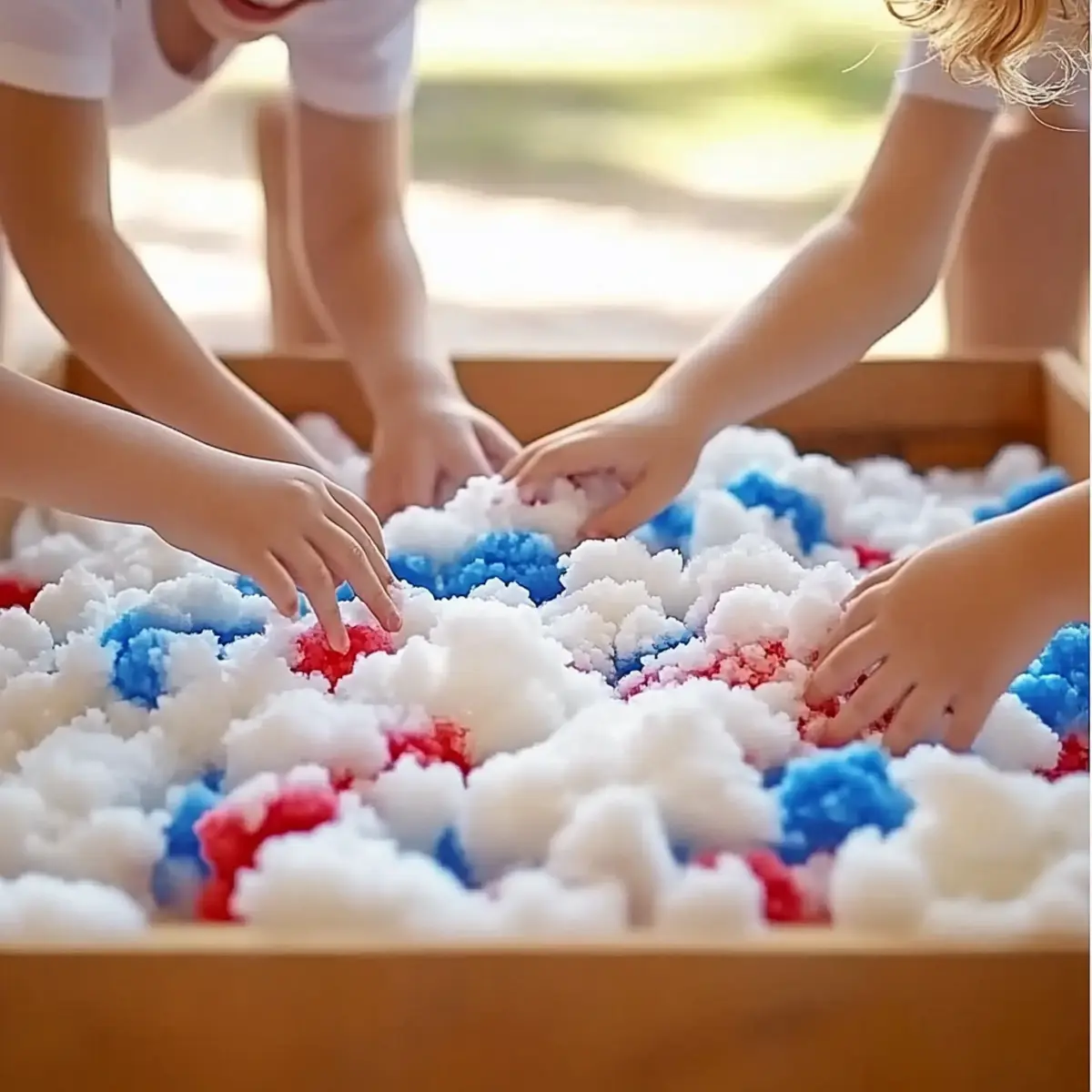
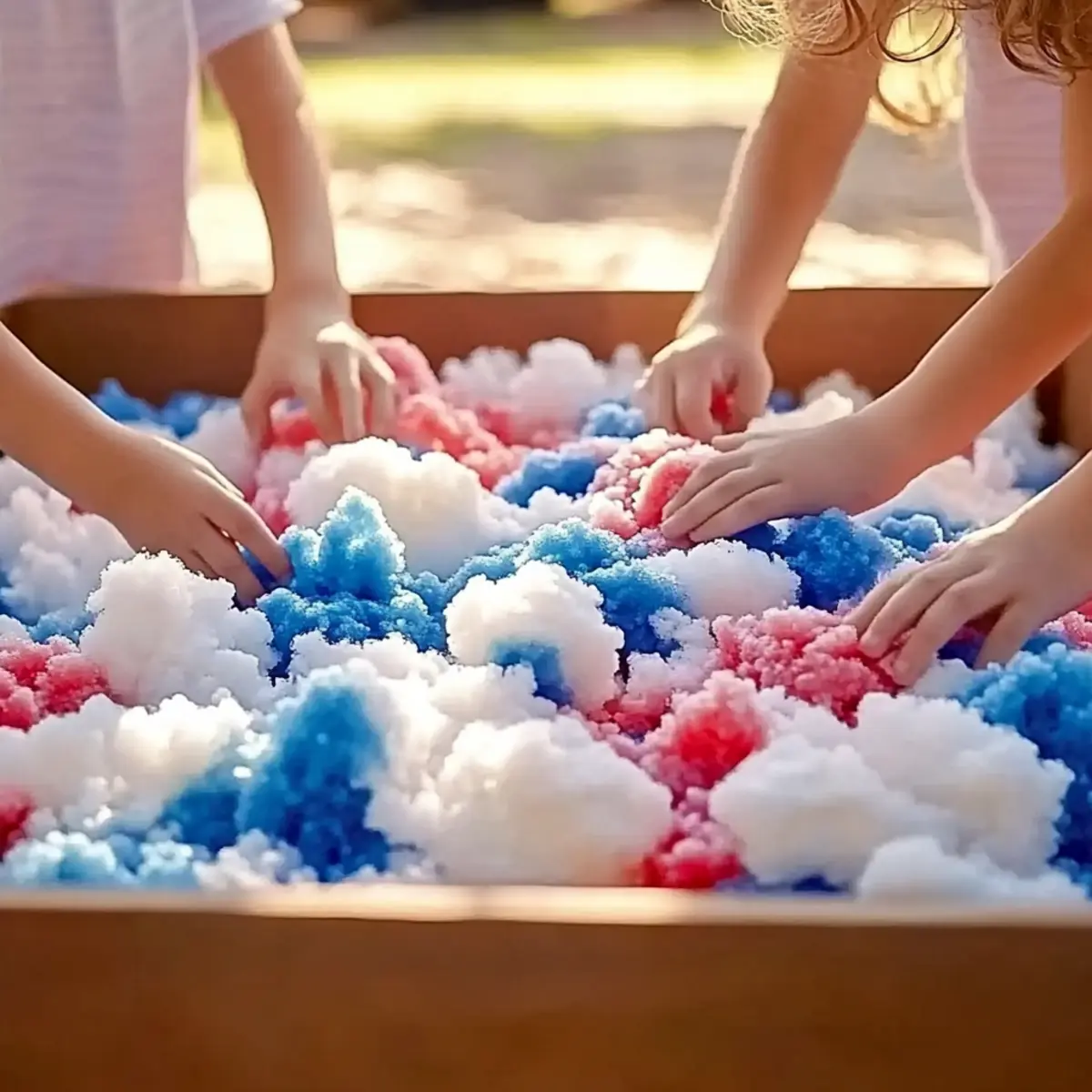
There’s a certain joy that fills the air when playful hands begin to explore a new texture. I discovered the magic of Cotton Ball Sensory Dough one rainy afternoon when my little ones were craving a bit of creativity. As I mixed those fluffy cotton balls with conditioner and cornstarch, the delightful texture began to take shape, and I felt the excitement bubbling up. In just 10 minutes, we crafted a soft, squishy dough that not only entertained the kids but also soothed their busy minds.
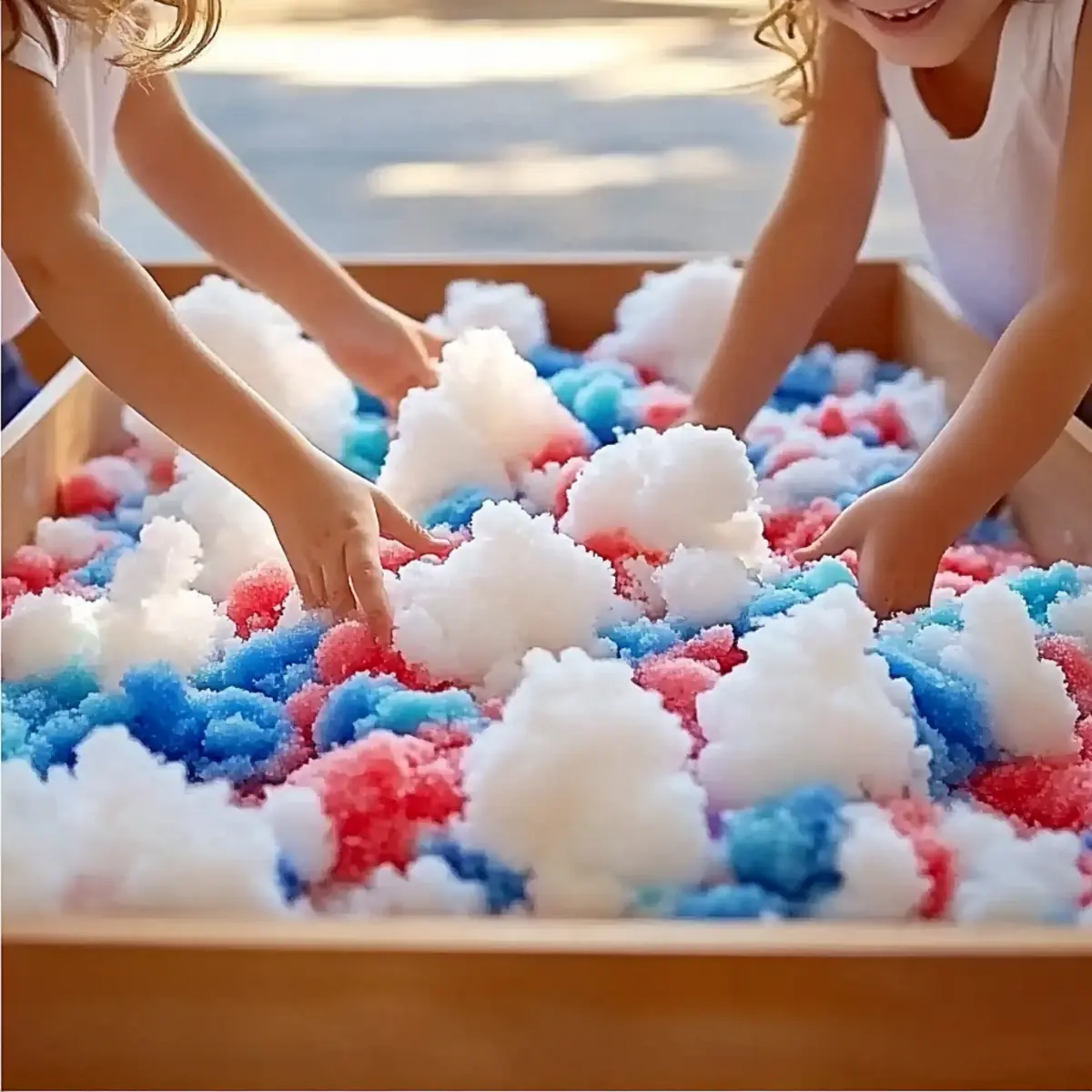
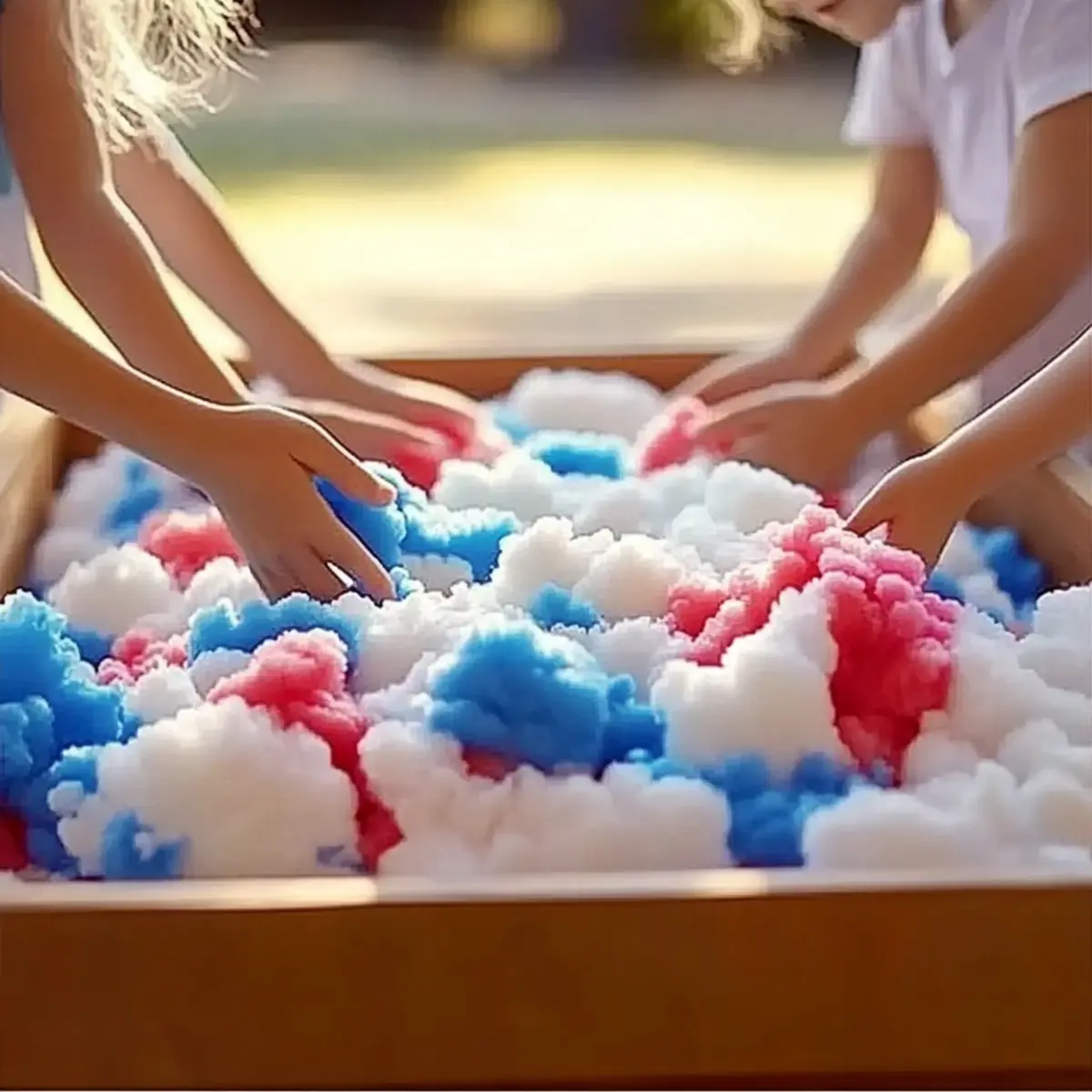
Perfect for calm yet imaginative play, this cloud dough is a fantastic alternative to fast-paced digital distractions. Whether your little ones enjoy shaping it with cookie cutters or simply squishing it between their fingers, this non-edible sensory craft promises hours of tactile fun. Plus, the best part? You can easily customize it with vibrant colors and sparkles to match seasonal themes or just for fun! Let’s dive into a recipe that’ll make your playtime magical while keeping creativity at the forefront. ☁️✨
Why is Cotton Ball Sensory Dough a Must-Try?
Instant Fun: This Cotton Ball Sensory Dough is ready in just 10 minutes, making it the perfect last-minute activity for kids.
Creative Customization: Add food coloring or glitter to match any theme, ensuring every play session feels unique and exciting.
Sensory Delight: Its soft, stretchy texture mimics marshmallow fluff, providing a soothing sensory experience that captivates little hands.
Safe Play: With non-toxic ingredients, parents can have peace of mind while kids explore and create without any worries.
Engaging Activity: Ideal for solo play or as a group activity, set out cookie cutters and molds for endless creativity!
Cotton Ball Sensory Dough Ingredients
For the Dough Base
• Cotton Balls – Provides the main structure and texture of the dough and can be substituted with shredded paper for a different sensation.
• Hair Conditioner – Acts as a binding agent for softness; choose a gentle formula if your child’s skin is sensitive.
• Cornstarch – Essential for creating the right consistency, ensuring the dough holds its shape well.
For Extra Touches
• Food Coloring (optional) – Adds vibrancy for visual appeal; omit for a more natural-looking dough.
• Fine Glitter (optional) – Enhances the sensory experience with a little sparkle; completely up to your preference!
This Cotton Ball Sensory Dough offers endless opportunities for imaginative play while keeping little ones engaged!
How to Make Cotton Ball Sensory Dough
Tear cotton balls into small fluffy pieces to ensure even mixing. Aim for bite-sized bits resembling cotton fluff; this helps create a consistent texture throughout the dough.
Combine 1/4 cup of hair conditioner with the torn cotton in a mixing bowl. Mix thoroughly until each piece is well coated, creating a soft and pliable base for your dough.
Gradually add 1/2 cup of cornstarch while stirring continuously. Keep mixing until the dough begins to form and pulls together, showcasing a beautifully soft, cohesive texture.
Optional: Add a few drops of food coloring for a splash of color. Knead the dough lightly until the color is evenly distributed, making it as vibrant as you like.
Optional: Sprinkle in some fine glitter if you want a sparkly surprise! Knead again to spread the glitter throughout the dough, turning it into a twinkling sensory delight.
Play with your soft sensory dough! Use cookie cutters, molds, or get creative with your hands to shape and form endless designs.
Store any leftover dough in an airtight container for up to one week. If the texture needs refreshing, simply add a little more conditioner or cornstarch while kneading.
Optional: Experiment with scented conditioners for an added sensory experience!
Exact quantities are listed in the recipe card below.
Cotton Ball Sensory Dough Variations & Substitutions
Feel free to unleash your creativity and personalize this delightful dough with these fun and easy twists!
- Shredded Paper: Swap cotton balls with shredded paper for a different texture and unique sensory experience.
- Scented Conditioners: Use scented hair conditioners to make the dough more inviting and enhance the sensory play.
- Themed Colors: Customize your dough with seasonal colors or festive glitters to celebrate holidays or special occasions.
- Texture Additions: Incorporate small beads or dried flowers to the dough for added texture and visual interest.
- Temperature Change: Chill the dough in the fridge before play for a refreshing twist on the usual texture.
- Natural Dyes: Use natural food colorings from fruits or vegetables for a more organic approach to coloring your dough.
- Flavored Conditioners: Opt for flavored hair conditioners to add a pleasant aroma, making playtime even more engaging.
- Baking Soda: Mix in a little baking soda for extra fluffiness and a more malleable texture that can hold shapes more easily.
Let your imagination soar as you experiment with these variations, transforming your sensory experience into something special!
Make Ahead Options
Preparing Cotton Ball Sensory Dough in advance is a smart way to save time on busy days! You can make the dough up to 24 hours ahead by following all the steps and storing it in an airtight container. If you prefer, you can tear the cotton balls and mix them with the conditioner, refrigerating it for up to 3 days before adding cornstarch and finishing the dough. To maintain its delightful softness, keep it cool and avoid adding food coloring prematurely, as it might impact texture over time. When you’re ready to play, simply knead in any additional conditioner or cornstarch if needed for the perfect squishy experience!
How to Store and Freeze Cotton Ball Sensory Dough
Room Temperature: Keep cotton ball sensory dough at room temperature in a sealed container for up to one week. This ensures it stays fresh for your little ones to enjoy!
Fridge: For extended freshness, store the dough in the refrigerator. It can last up to two weeks while remaining soft and fun to play with.
Freezer: Freeze any excess cotton ball sensory dough in an airtight container for up to three months. Thaw at room temperature before use, gently kneading to restore its original texture.
Reheating: If the dough loses its softness, knead in a bit more hair conditioner or cornstarch to refresh the texture.
What to Serve with Cotton Ball Sensory Dough?
Create an enchanting atmosphere of creativity and play with these delightful suggestions to enhance your sensory experience!
Cookie Cutters: These fun shapes allow little hands to bring their imagination to life, transforming dough into adorable creations.
Molds: Perfect for shaping characters or animals, molds provide structure and variety, making playtime even more engaging.
Rolling Pins: For those who love to flatten and shape, rolling pins add a traditional touch, bringing about fine motor skills development.
Colored Paper: Set out sheets of colored paper to create backdrops for dough displays, allowing for imaginative storytelling with their creations.
Natural Elements: Incorporate leaves, twigs, or flowers for a sensory exploration that encourages kids to engage with nature during play.
Scented Candles or Incense: While kids play, soothing scents can create a calming atmosphere, making the activity more relaxing and enjoyable.
By adding these elements, sensory play becomes a delightful, multi-dimensional experience, stirring both creativity and joy!
Expert Tips for Cotton Ball Sensory Dough
Supervise Playtime: Always ensure that young children are supervised during play to prevent any mishaps and to enhance their creative exploration.
Maintain Consistency: If your cotton ball sensory dough turns out too sticky, gradually add more cornstarch until you achieve a smooth, pliable texture that’s easy to handle.
Dust for Cleanliness: Use a light dusting of cornstarch on your work surface to prevent the dough from sticking, making cookie cutter usage and cleanup easier.
Customize Scents: Opt for scented hair conditioners to elevate the sensory experience, but ensure that they are safe for children’s playtime.
Storage Solutions: Store the dough in an airtight container. For best results, avoid adding liquid ingredients that may affect texture during storage.
Cotton Ball Sensory Dough Recipe FAQs
What kind of cotton balls should I use?
Absolutely! Use standard, non-toxic cotton balls found at any pharmacy or grocery store. If you’re looking for a different texture, you can also substitute with shredded paper for a unique tactile experience.
How should I store my cotton ball sensory dough?
For optimal freshness, store the cotton ball sensory dough at room temperature in an airtight container for up to one week. If you’d like to extend its life, you can refrigerate it for up to two weeks—just make sure it’s sealed tightly to keep moisture out.
Can I freeze the sensory dough?
Yes, you can freeze any excess cotton ball sensory dough for up to three months! To do this, place it in an airtight container. When you’re ready to use, simply thaw it at room temperature and knead gently to restore the original soft texture.
What do I do if my dough feels too sticky?
Very! If your dough turns out sticky, simply add a little more cornstarch, about a tablespoon at a time, while kneading until you achieve a smooth and pliable consistency. This way, you can enjoy endless creative play without the hassle of a messy dough!
Is this dough safe for children and pets?
While the ingredients are non-toxic and safe for children, it’s important to supervise young children during play to avoid accidental consumption. As for pets, it’s best to keep the dough out of reach since it isn’t intended for animal consumption.
Can I customize the scents of my sensory dough?
The more the merrier! Yes, you can absolutely customize the scents by choosing flavored conditioners. Just ensure that any products you use are safe and appropriate for children’s play to enhance their sensory experience without concerns.
Cotton Ball Sensory Dough Recipe FAQs
Cotton Ball Sensory Dough: Soothing Softness for Playtime Magic
Ingredients
Equipment
Method
- Tear cotton balls into small fluffy pieces to ensure even mixing.
- Combine 1/4 cup of hair conditioner with the torn cotton in a mixing bowl.
- Gradually add 1/2 cup of cornstarch while stirring continuously until the dough forms.
- Optional: Add food coloring and knead until evenly distributed.
- Optional: Sprinkle fine glitter and knead again.
- Play with your soft sensory dough using cookie cutters or molds.
- Store leftover dough in an airtight container for up to one week.